
Saltwater vs. Freshwater Boat Storage: What Florida Owners Must Know
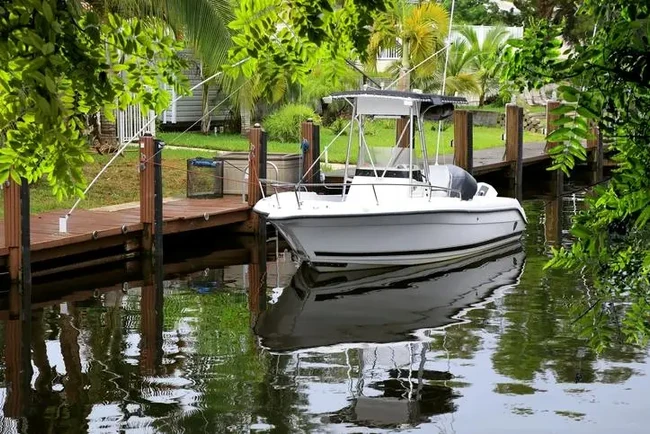
Florida is one of the most extraordinary places in the country to own a boat, and also one of the most demanding. Whether you're running the Gulf Coast flats, cruising the Atlantic Intracoastal, or spending a lazy Saturday on Lake Hollingsworth, your boat is constantly fighting the elements. The challenge is that which elements you're fighting depends entirely on where you boat, and that distinction shapes every decision you make about storage, maintenance, and long-term care.
Saltwater and freshwater environments create very different wear patterns on hulls, engines, electrical systems, and upholstery. Treating a saltwater boat like a freshwater boat, or vice versa, is one of the most common and costly mistakes Florida owners make. The good news is that once you understand what each environment demands, building a routine that genuinely protects your investment becomes straightforward.
This guide by Century Storage breaks down exactly what you need to know about saltwater vs. freshwater boat maintenance and how to match your storage setup to the waters you love most.
Why Florida Waters Create Two Very Different Storage Challenges
Florida's waterways are remarkably diverse. Coastal boaters deal with the Gulf and Atlantic daily, while Polk County residents have world-class freshwater access through lakes like Lake Hollingsworth, Lake Parker, and dozens of others scattered across the region. Both environments are beautiful, and both are hard on boats in ways that catch unprepared owners off guard.
- Salt air is a silent threat: Even if your boat never touches salt water directly, parking near the coast exposes metal fittings, trailer frames, and engine components to airborne salt particles that accelerate corrosion year-round.
- Freshwater isn't automatically gentle: Florida's warm, still lakes breed algae, tannins, and organic growth that cling to hulls and trailer bunks. Year-round heat speeds up biological activity, and many owners underestimate how quickly this can degrade gelcoat and metal surfaces.
- Heat is the universal enemy: Regardless of water type, Florida's intense sun and sustained high temperatures break down upholstery, rubber seals, wiring insulation, and protective coatings faster than in almost any other state.
Understanding which environment your boat spends the most time in is the essential first step. It determines how frequently you rinse, what products you use, which systems need the most attention, and what kind of storage setup will actually protect your vessel between outings.
Post-Trip Maintenance: Salt Exposure vs. Freshwater Residue
What you do in the first hour after returning to the dock or ramp matters more than almost anything else in your maintenance routine. The steps are different depending on whether you've been in salt or fresh water, and skipping them in Florida's heat can undo months of careful upkeep.
After Every Saltwater Trip
- Flush the engine with fresh water: Run fresh water through the cooling system until it flows clear, removing salt deposits from the impeller, cooling passages, and exhaust system before corrosion takes hold.
- Rinse the entire boat from bow to stern: Hull, deck, railings, cleats, and all hardware. Salt crystals left to dry in Florida's sun etch into gelcoat and dull your finish faster than almost anything else.
- Dry and treat metal surfaces: A light application of corrosion inhibitor on exposed fittings and trailer components goes a long way between rinses.
- Apply marine-grade wax regularly: Wax your hull at least every 90 days to maintain a protective barrier against salt and UV damage.
Regardless of water type, applying a quality marine-grade wax to your hull is non-negotiable in Florida. The UV index here is relentless, and a good wax is one of your best defenses against oxidation and fading.
How Storage Conditions Should Match Your Boat's Water Environment
The right storage setup does more than keep your boat out of the rain, it actively protects your investment between trips. And what "right" looks like depends heavily on which type of water you're boating in.
- Saltwater boats benefit most from covered or enclosed storage: Keeping your vessel shielded from salt-laden coastal breezes during downtime dramatically slows corrosion on railings, cleats, and electronics. The more distance you put between your boat and the salt air, the better.
- Temperature-regulated storage is a smart upgrade for any Florida boater: Climate-controlled storage units maintain a consistent temperature range that helps prevent the breakdown of upholstery, rubber seals, and wiring insulation, all of which suffer in Florida's prolonged heat.
- Freshwater lake boaters should prioritize drive-up convenience: If you're launching regularly from Polk County boat ramps, look for a storage facility with wide lanes and drive-up units that make it easy to rinse, load, and roll out without hassle.
- Elevate your boat during long-term storage: Use padded bunks or place pallets beneath trailer tires to prevent flat spots and reduce ground contact that can trap water against metal components.
- Use breathable, UV-resistant covers: Position bow vents open and avoid sealed tarps. Breathable covers allow air circulation and maintain a more consistent temperature inside the boat during storage; sealed tarps trap heat and can accelerate the very damage you're trying to prevent.
For boaters using boat ramps and waterway access points in Polk County, choosing a storage facility close to your launch point makes it far more likely you'll follow through on your post-trip rinse and prep routine every single time.
Your Boat, Your Water, Your Storage Plan
Saltwater and freshwater boating both offer incredible experiences in Florida, but they demand different approaches to care and storage. Salt accelerates corrosion at every touchpoint; freshwater breeds organic growth and mold. Florida's heat amplifies both. The owners who protect their investment best are the ones who understand these differences and build a routine around them rather than treating every boat the same way.
Start with the basics: rinse after every trip, wax regularly, inspect your critical systems by water type, and choose a storage setup that actively works to protect your boat between outings. A well-maintained boat stored in the right environment doesn't just last longer; it's ready to go whenever you are, with fewer surprises and lower repair costs over the long haul. That's what stress-free boat ownership looks like in Florida, and you can find it with Century Storage today.