
The Florida Boater's Guide to Off-Season Trailer Care
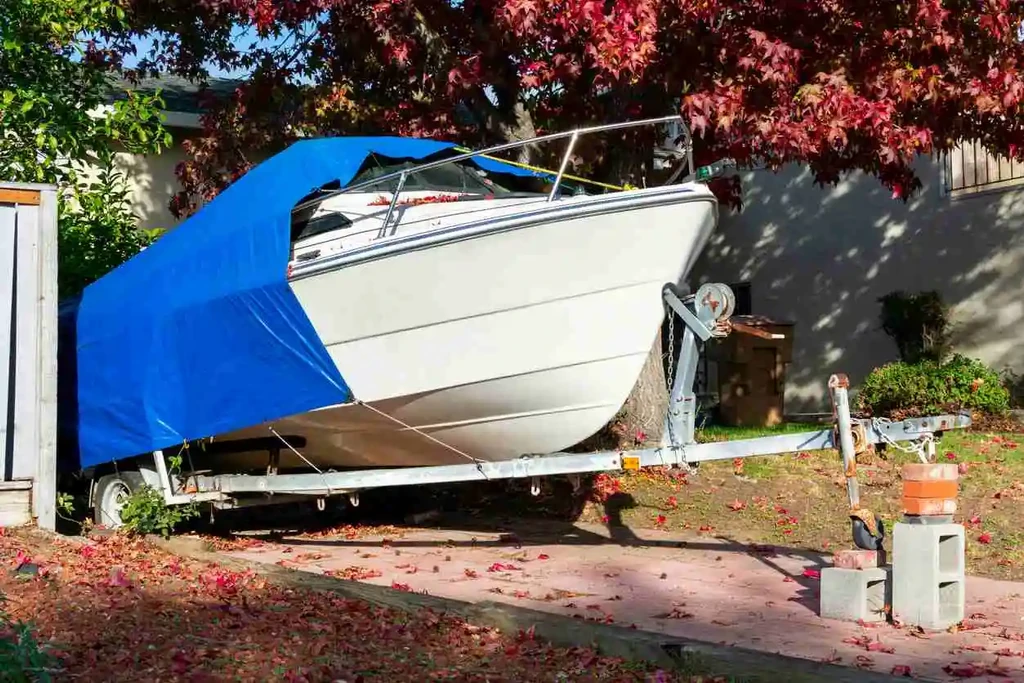
For many Sunshine State residents, the offseason doesn't mean hanging up the fishing rods entirely, but it does mark a shift in how frequently we hit the water. While our boats often get the lion's share of attention, the trailer is the unsung hero of every successful outing. In Florida, the environment is a constant adversary. The combination of high humidity, intense UV rays, and salt air can turn a sturdy trailer into a rusted liability in just a few months of neglect.
Your Florida boat trailer maintenance should be comprehensive to make sure that when the bite is on, you aren't stuck on the side of the road with a seized bearing. A well-maintained trailer is just as important as the boat itself for a stress-free weekend. It provides the peace of mind that your prized vessel will make it to the ramp and back safely, every single time.
Securing professional, secure storage is the first step in a long-term maintenance strategy. By moving your equipment into a dedicated space, you can avoid the environmental wear that occurs when a trailer sits in damp grass or under a sappy tree. Let’s dive into Century Storage's top steps for keeping your trailer in peak condition during the quieter months.
The Importance of Off-Season Trailer Care in Florida
In Florida, corrosion never sleeps. Even if you primarily boat in freshwater, the salt content in our coastal air and the persistent humidity accelerate the oxidation of metal components. Without a protective barrier, leaf springs, bolts, and frames can weaken, leading to structural failure during transport.
- Corrosion Control: Salt air can travel miles inland, settling on metal surfaces and eating through galvanized coatings.
- Reliability: Proper care means your trailer is ready for peak fishing season the moment you are.
- Asset Protection: A trailer in good repair maintains the resale value of your entire boating package.
- Storage Benefits: Utilizing professional boat storage in Lakeland, FL, protects your trailer from the elements and provides a secure, monitored environment that reduces exposure to open-air conditions and opportunistic theft.
Essential Maintenance for Your Trailer's Moving Parts
The mechanical components of your trailer are the most susceptible to failure after periods of inactivity. Whether you plan to launch from one of the many inland Polk County boat ramps or out on the coast, follow these maintenance steps:
- Repack Wheel Bearings: This is the most critical task. Remove the hubs, clean the bearings, and repack them with high-quality marine grease. This prevents water intrusion from causing the bearings to seize.
- Inspect Cooling Systems: If your trailer supports specialized watercraft with integrated cooling or wash-down systems, check the impeller and lines for any blockages or dry rot.
- Electrical Audit: Test all connections, wiring harnesses, and light bulbs. Use a bit of dielectric grease on plugs to prevent corrosion and ensure your brake lights are visible during those early morning launches.
Insider Tip: Trailer bunks can harbor moisture and spores. Use a simple solution of white vinegar and water to scrub down the carpeted bunks and rollers. This kills mild mildew and prevents it from transferring to your boat’s hull.
Protecting the Frame and Tires from the Sun
The Florida sun is notorious for breaking down rubber and gelcoats. While the boat usually stays covered, the trailer frame and tires often bear the brunt of the heat. Maintaining your trailer's exterior is just as vital as the mechanical work.
Applying a marine-grade wax for trailers to the metal frame creates a sacrificial barrier against UV rays and acid rain. This simple step keeps the finish looking new and prevents the chalking effect common on older trailers. If your trailer has fiberglass components, this wax will also protect the gelcoat from oxidation.
Tire care is equally important. When parked for long periods, tires can develop flat spots or suffer from dry rot due to moisture wicking up from the ground. We recommend parking on wooden pallets or using specialized tire covers. Ensure you maintain the manufacturer's recommended tire pressure even when the trailer is not in use to maintain the integrity of the sidewalls. Following these RV storage tips for your trailer tires will save you from a blowout on the highway.
Maximizing Your Access to Polk County Boat Ramps
Location is everything when it comes to enjoying your time on the water. Choosing a boat storage facility puts you at the heart of Central Florida's best waterways. Whether you are looking for Lake Hollingsworth boat access or heading toward the Winter Haven Chain of Lakes, being centrally located saves time and fuel.
Before you head out for the first run of the season, perform a quick pre-launch inspection:
- Check the winch strap for fraying or sun damage.
- Ensure the safety chains are secure and not dragging.
- Verify that the hitch ball is properly lubricated and the locking pin is in place.
Your storage strategy should also look toward the future. If you are eyeing an upgrade, remember that a well-documented maintenance history on your current trailer increases your trade-in value. Many boaters find that planning for the 2026 Florida Boat Show circuit starts with having a clean, organized storage solution today.
Keep Your Trailer Road-Ready All Season Long
Taking care of your trailer during the offseason is an investment in your future fun. By addressing corrosion, maintaining moving parts, and protecting your tires from the harsh Florida sun, you ensure that your weekend getaways remain stress-free. From the quiet shores of Lake Hollingsworth to the busiest ramps in Polk County, a well-maintained trailer is your ticket to a seamless boating experience. Don't wait for a breakdown to take action. Start your maintenance routine today and enjoy the peace of mind that comes with secure boat storage in Florida from Century Storage.