
Where Lakeland and Dade City College Students Should Store Their Stuff Between Semesters
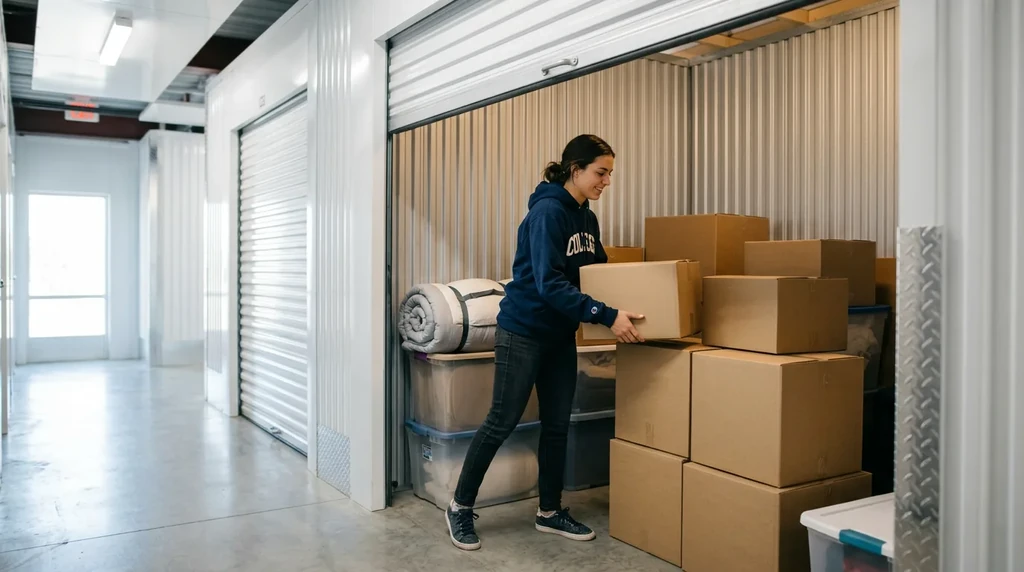
Four people splitting an 800-square-foot apartment is already a tight arrangement. Add a bike, surfboard, guitar, and a pile of textbooks from last semester, and the hallway becomes the default storage room. For students at Florida Southern College, Polk State College, Saint Leo University, and Southeastern University, student storage in Lakeland, FL, and the surrounding area offers a practical fix. A small, affordable storage unit close to campus is the perfect spot for the gear cluttering your apartment.
Student storage is not just a solution for clearing out a dorm room for the summer, but also for managing the math of shared living during the school year. The bike that only one roommate uses, the snowboard that came back from a trip to the mountains, the set of golf clubs taking up half the closet—these are the items that create friction in a shared space. A nearby storage unit from Century Storage removes them from the equation without making anyone get rid of anything.
The Shared-Apartment Problem That Storage Actually Solves
Off-campus apartments near Lakeland and Dade City tend to be compact, and the common areas fill up quickly when multiple people move in. Closets get divided by negotiation. The garage, if there is one, turns into a shared dumping ground. Outdoor gear, sports equipment, and bulky items that only get used occasionally end up stacked in corners or blocking doorways.
A storage unit changes that dynamic. Instead of rotating who gets to keep their bike inside, everyone's gear has a designated place that is not the apartment. The unit becomes a shared overflow space, and the apartment stays livable.
Century Storage has self storage locations in Lakeland and units in Dade City that are well positioned for students at the colleges in both areas. Month-to-month leases mean you’re not locked into a yearlong commitment. You can rent through the fall semester, reassess in December, and keep going if the unit is still useful.
What Students Are Actually Storing
The most common items students bring to a storage unit are the ones that take up disproportionate space relative to how often they get used. Bikes are the classic example. They’re necessary for getting around campus, but awkward to store inside a shared apartment. Surfboards and paddleboards fall into the same category, especially for students who drove up from South Florida and did not leave their gear behind.
Ski and snowboard equipment is another one. Students who travel for winter break often bring their gear back to Lakeland rather than leaving it at home, and a board bag sitting in the living room for eight months is nobody's idea of good interior design. Musical instruments, amplifiers, and recording equipment are also common. A drum kit or a guitar amplifier does not belong in a shared bedroom, and a storage unit gives musicians a place to keep their gear without crowding roommates.
Beyond sporting equipment and instruments, students often use storage units for items that came from home and simply do not fit the apartment year-round, including a second set of furniture, seasonal clothing, boxes of books and course materials from previous semesters, and kitchen equipment that duplicates what is already in the shared space.
If you’re storing electronics, check out our overview of how to store electronics properly before you pack your unit. Florida's heat can affect equipment left in an unregulated space, and a few simple steps go a long way.
Splitting a Unit With Roommates To Cut Costs
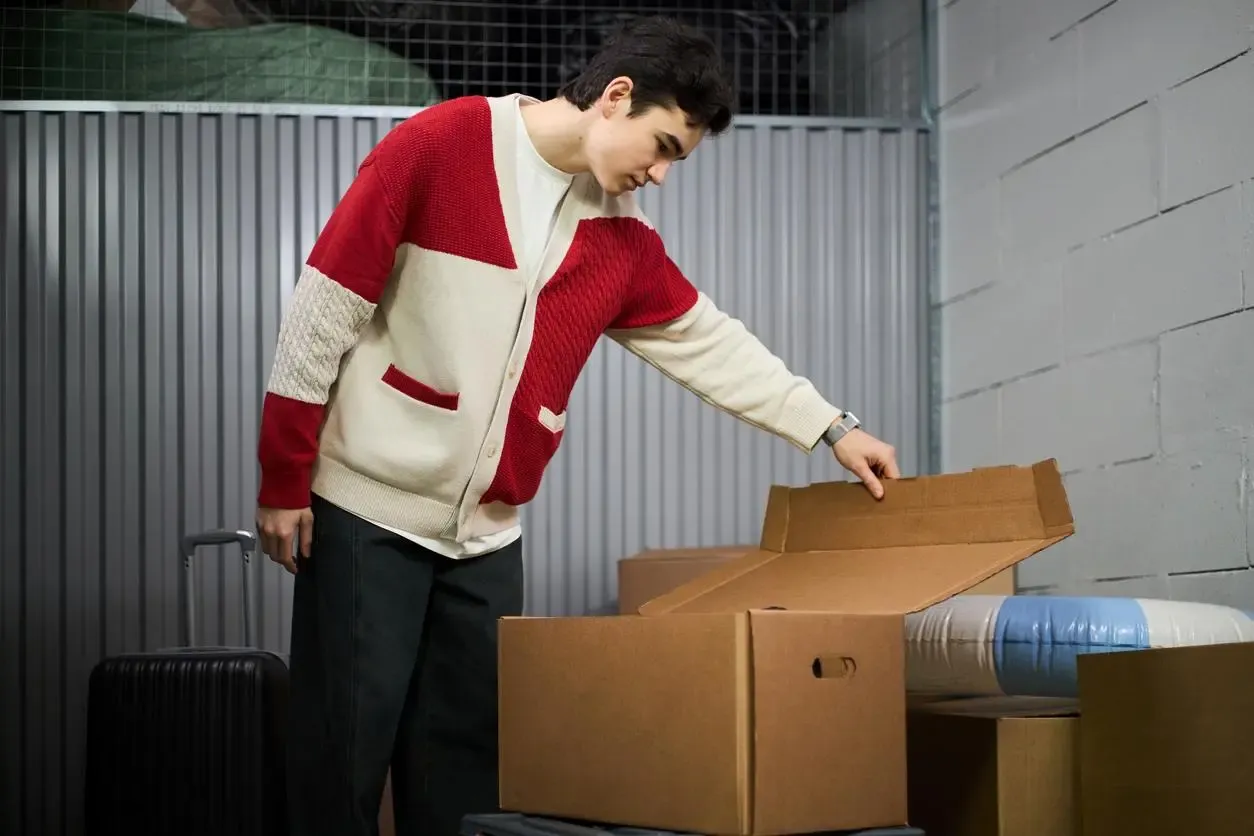
One of the most practical moves for students on a tight budget is splitting a unit with one or two roommates. A 5x10 unit, for instance, gives four people a combined overflow space that costs each person a fraction of the monthly rate. The math works especially well when the items going in are bulky but not particularly heavy. Boards, bikes, and gear bags stack efficiently and leave room for boxes and furniture pieces.
The key to making a shared unit work is agreeing up front on what goes in and who has access. Century Storage's guide to splitting a unit with a roommate covers the practical side of that arrangement in detail. Month-to-month leases also make it easier to adjust. If someone moves out mid-year, the remaining renters can reassess the unit size without being stuck in a long-term contract.
For students who have not rented a unit before, check out our first-time renters guide. It covers what to expect from the rental process, how to pack a unit efficiently, and what to keep in mind when choosing a size.

Transitioning Between a Dorm and an Off-Campus Apartment
Students at Florida Southern College or Southeastern University who are moving out of on-campus housing and into an off-campus apartment often face a gap when the new lease does not start the day the dorm room ends. A storage unit bridges that window without requiring anyone to haul everything back to their parents' house and then drive it back to Lakeland a few weeks later.
Even after the move is complete, the unit often stays useful. Off-campus apartments rarely have the storage space that a full house does, and items that did not fit in the dorm room are unlikely to fit in the new bedroom either. Keeping a small unit throughout the academic year gives students a consistent place to put the overflow, rather than re-solving the same problem every time the living situation changes.
Choosing the Right Unit Size on a Student Budget
Century Storage's student storage options are built around the reality that most students do not need a large unit and do not want a long-term lease. Smaller units at a monthly rate give students the flexibility to scale up or down as the academic year moves along, without the financial commitment of a full-year contract.
Shared living works better when everyone has room to breathe. A small, well-chosen storage unit near campus is one of the more straightforward ways to make a crowded apartment feel like a home rather than a storage room. Browse all Century Storage locations to find the storage facility closest to your campus or apartment, and reserve a unit online when you’re ready.